
We have changed up the format for our This Date in Phillies History feature. No more burying the lead at the bottom of the post, and we’re including some Phillies information from around this thing called the internet. We hope you enjoy the new format. You can always find any edition of the feature by using the “Phillies History” drop down at the top of the site. From there, just click on “This Date in Phillies History.”
January 26, 1959:
In 1959, the state of New Jersey made a move that, at the time, felt both daring and entirely plausible. The New Jersey State Assembly passed legislation aimed at building a modern stadium with one clear target in mind: the Philadelphia Phillies. The idea of luring a Major League Baseball team across the Delaware River and to the city of Camden was not a publicity stunt or idle talk. It was a calculated attempt to capitalize on Philadelphia’s ongoing baseball troubles and Camden’s desire to reinvent itself as a big-league city.
By the late 1950s, the Phillies were a franchise in distress. Connie Mack Stadium was old, increasingly obsolete, and located in a neighborhood that many fans and suburbanites no longer felt comfortable visiting. Attendance was poor, the team had endured years of losing seasons, and ownership was under constant pressure to find a path forward. At the same time, cities across the country were using shiny new stadiums as economic development tools. Camden saw an opening.
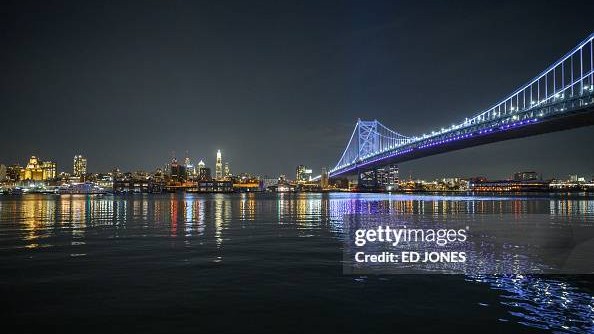
Camden’s proposal made sense on several levels. The city was closer to Center City Philadelphia than many Philadelphia neighborhoods, and the Benjamin Franklin Bridge made access relatively easy. New Jersey officials were also more willing than their counterparts in Philadelphia to explore public financing and creative land deals. The stadium bill passed by the Assembly was a statement of intent. It signaled that New jersey and the City of Camden were ready to provide land, infrastructure, and political support to bring the Phillies across state lines.
This was not unprecedented thinking. Around baseball, teams were already moving or threatening to move in search of better facilities. The Dodgers and Giants left New York just a year earlier. The Braves had relocated to Milwaukee in 1953 with great success. In that climate, the idea that the Phillies would abandon an aging ballpark for a new stadium, even one outside Pennsylvania, didn’t feel far-fetched.
How Close Did the Phillies Really Come to Moving?
The honest answer is that Camden was closer than many Philadelphians were comfortable admitting, but the move was never a done deal. Phillies ownership listened. They met with state officials and allowed the proposal to be discussed publicly. That alone was enough to send shockwaves through City Hall in Philadelphia and wake up civic leaders who had long taken the team’s presence for granted.
Still, several factors worked against Camden. Major League Baseball was wary of cross-state moves that would complicate territorial rights and broadcasting arrangements. The Phillies also understood the risks of alienating a fan base that, while frustrated, was still deeply loyal. A move to Camden might have felt like abandonment rather than progress, especially in an era when such relocations were emotionally raw.
There were also financial uncertainties. Camden would have a stadium, but the long-term revenue picture was murkier. Would attendance truly improve? Would corporate support follow the team across the river? Those questions lingered.
What Kept the Phillies in Philadelphia
The Camden proposal succeeded in one crucial way. It forced Philadelphia to act. Alarmed by the possibility of losing its National League team, the city and the Commonwealth of Pennsylvania began to engage more seriously with the Phillies about their future. Discussions that had stalled for years suddenly gained urgency.
By the early 1960s, this pressure helped pave the way for Veterans Stadium. While the Vet would not open until 1971, the commitment to a new multipurpose stadium in South Philadelphia gave the Phillies something Camden couldn’t match. It kept the team within city limits and tied them to a broader vision of urban renewal and civic pride.
Ownership changes also played a role. New leadership groups were more inclined to work with Philadelphia officials and believed that stability, even in a flawed stadium, was preferable to a risky relocation. The Phillies’ dramatic turnaround in the early 1960s, culminating in the 1964 pennant race, helped rekindle fan interest and strengthened the argument for staying put.
The Lasting Impact of the Camden Episode
Although the Phillies never moved to Camden, the 1959 stadium bill remains a fascinating moment in regional baseball history. It underscored how vulnerable the franchise was at the time and how close Philadelphia came to losing one of its core sports institutions. It also showed the power of competition between cities to spur action, even if that competition ultimately failed.
In hindsight, Camden’s bid can be seen as both ambitious and ahead of its time. Decades later, the city would finally get a waterfront ballpark when the independent minor league Riversharks arrived, though that experiment ended quietly. For the Phillies, the Camden scare became a turning point. It reminded everyone involved that major league teams are not permanent fixtures without investment and attention.
The Phillies stayed in Philadelphia not because Camden lacked vision, but because the threat of losing the team forced long-delayed decisions. In that sense, Camden’s bold move in 1959 helped shape the Phillies’ future, even without ever hosting a single major league game.
Some light reading from PBN
- The Adelaide Giants won the Australian Baseball League championship with the help of eight Phillies prospects. We have a look at the role that they played and answer the question: “What is the Claxton Shield?”
- Some former Phillies found new homes, but reliever Tim Mayza is staying in the organization.
- With the 2026 class of Hall of Famers chosen, where does Jimmy Rollins belong?
Phillies news from around the web
- From 97.5 The Fanatic: The 12 Greatest Moments in the History of Citizens Bank Park
- From The Athletic (subscription required): The Top 100 Prospects in Baseball
Phillies History Events on January 26
January 26, 2010 – Former Phillies first baseman Jim Thome signs a one-year free agent deal with Minnesota.
January 26, 2012 – The Phillies lose free agent closer Brad Lidge to the Washington Nationals, who signed him to a one-year contract.
January 26, 2020 – Future Phillies outfielder Nick Castellanos signs a four-year, $64-million deal with Cincinnati as a free agent.
January 26, 2021 – The Philadelphia Phillies signed All-Star catcher J.T. Realmuto to a five-year free agent contract reportedly worth $115.5 million, making him at the time the highest-paid catcher in MLB history and a cornerstone of the club’s roster moving forward.
January 26, 2024 – After missing all of the 2023 season with a knee injury suffered in spring training, Rhys Hoskins becomes a former Phillie when he signs a two-year, $34-million deal with Milwaukee.
Phillies Birthdays on January 26
Dick Mauney (born 1920) – Right-handed pitcher who played three seasons with the Phillies and went 12-14, 2.99 in 24 starts and 29 relief appearances. He was sold to Utica in the Eastern League following the 1947 season.
Bob Uecker (born 1934) – Catcher and later broadcaster, Uecker played parts of six Major League seasons and spent time with the Philadelphia Phillies in 1966 and at the start of 1967 before moving on; he later became a Hall of Fame-honored broadcaster and cultural figure in baseball and entertainment. Often chided for his lack of offensive production, Uecker finished his career with a .200 batting average and .293 on-base percentage.
Rick Schu (born 1962) – Born in Philadelphia, Schu was a third baseman and first baseman who began his career with the Phillies. Played four seasons with the Phillies prior to being dealt to Baltimore. He returned to the Phillies as a free agent for the 1992 season, but played in just 17 games and hit .091. Over nine seasons he played with Philadelphia, Baltimore, Detroit, California, and Montreal.
Please scroll down to comment on this story or to give it a rating. We appreciate your feedback!
Disclaimer: Some of the products featured or linked on this website may generate income for Philly Baseball News through affiliate commissions, sponsorships, or direct sales. We only promote items we believe in, but please assume that PBN may earn a cut from qualifying purchases that you make using a link on this site.
Privacy Policy | Contact us
© 2025 LV Sports Media. All rights reserved.

 Philly Baseball News