
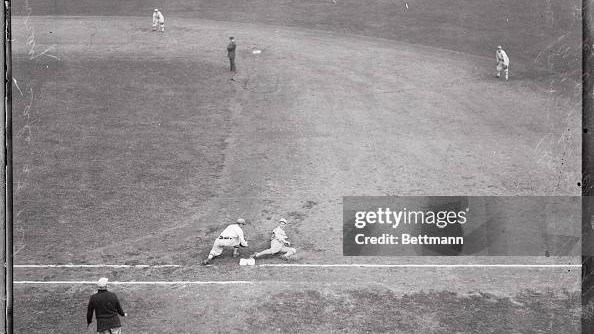
The Rich History of Baseball in Philadelphia Prior to 1950
Philadelphia’s relationship with baseball runs as deep as its historic streets and storied neighborhoods. Before 1950, the city witnessed a transformation of the game—from its fledgling, amateur beginnings in the mid‑19th century to a professional pastime that mirrored the evolving American landscape. In a city known for its independence and vibrant character, baseball was more than a game; it was a unifying thread connecting diverse communities and reflecting the social and economic dynamics of the era.
The Early Years: Laying the Foundations
In the mid‑1800s, as America was rapidly industrializing, Philadelphia was emerging as a cultural and economic powerhouse. It was during this time that amateur clubs began to experiment with the bat-and-ball games that would eventually coalesce into baseball. Neighborhood clubs and social organizations met on open fields, echoing the spirit of friendly competition and community pride. While the formalization of rules was still in process, these early gatherings sowed the seeds for organized play.
The National Association of Base Ball Players (NABBP), formed in 1857, saw local Philadelphia teams competing under evolving standardized rules. These games were more than just athletic contests—they were social events that drew crowds from various walks of life. Businesses lent sponsorship, and local newspapers began to report on the day’s highlights, cementing baseball’s status as an important pillar of local culture. At this stage, baseball was a reflection of the city’s new sense of identity—a blend of innovation, communal spirit, and the rough-and-tumble energy of an industrial society.
The Advent of Professionalism and the Birth of Iconic Teams
As the century progressed, baseball in Philadelphia transitioned from amateur contests to professional leagues. By the 1870s and 1880s, teams had become organized businesses, with franchises sprouting up to meet the demand of an ever-growing sports fan base. Two names stand out as cornerstones of Philadelphia’s baseball lore: the Phillies and the Athletics.
Philadelphia Phillies: Founded in 1883, the Phillies quickly embedded themselves in the fabric of the National League. Despite a rocky start marked by financial struggles and on-field challenges, the Phillies attracted a loyal following. Their early games were played in modest venues where cheering sections were composed primarily of working-class fans, miners, and immigrants—all drawn together by the thrill of the game. The early Phillies, with their scrappy performances and resilient spirit, symbolized the city’s determination to overcome adversity—a quality that has defined Philadelphia’s sports culture ever since.
Philadelphia Athletics: Even as the Phillies were establishing their national reputation, another dynamic force was gaining ground. The Philadelphia Athletics, which can trace their roots to baseball clubs that had existed in various forms since the Civil War era, were reinvented as a force in the new American League. Under the stewardship of Connie Mack—a figure whose name became almost synonymous with Philadelphia baseball—the Athletics rose to prominence. Connie Mack, with his trademark gentlemanly demeanor and astute baseball mind, managed the team from its formal inception in 1901 well into the mid‑20th century. Under his guidance, the Athletics became renowned for their strategic innovations, remarkable fielding, and occasional bursts of offensive fireworks. Their success in winning championships during the 1910s and then again in the late 1920s and early 1930s generated fervor and local pride that resonated throughout the region.
Legendary Ballparks and the Atmosphere of the Game
No discussion of Philadelphia’s baseball history would be complete without mentioning its storied ballparks—sanctuaries that provided a tangible arena for the city’s passion. Early venues such as Recreation Park set the stage for professional play, but it was venues like the Baker Bowl and Shibe Park that gave the game its legendary aura.
Baker Bowl: Opened in 1887 and home to the Phillies for decades, the Baker Bowl was as notorious for its quirks as it was beloved by fans. With an intimate design that placed spectators perilously close to the action, the Baker Bowl’s short right field became an accidental advertisement for high-scoring games and daring plays. Its unique architecture not only influenced play strategy but also fostered an atmosphere of closeness between the team and its supporters. The ballpark became a symbol of Philadelphia’s willingness to embrace imperfections—a microcosm of the city itself.
Shibe Park and Beyond: For the Athletics, their home at Shibe Park (later known as Connie Mack Stadium) was equally significant. This state‑of‑the‑art facility, built to accommodate the growing enthusiasm around the American League, showcased Philadelphia’s commitment to the sport. The park was a gathering place for families, laborers, and even high society alike—a melting pot of diverse prides united by a love for the game. These ballparks were much more than sports venues; they were social epicenters where legends were born, rivalries intensified, and the communal spirit of Philadelphia was nurtured.
Cultural Impact, Racial Barriers, and Community Stories
Beyond the professional achievements and grand stadiums, the story of baseball in Philadelphia is also one of cultural significance and social challenge. The game served as both a bridge and a battleground, reflecting the racial, economic, and cultural divisions of the time.
Philadelphia’s baseball scene, like much of America, was originally segregated. African American players were barred from the major leagues, and yet, their passion for the game found expression through independent leagues and exhibition matches. Teams from the Negro Leagues, such as the Philadelphia Stars—founded in the 1930s—challenged the status quo and showcased a level of talent that rivaled their white counterparts. These teams played exhibition games against local amateur clubs and even, on occasion, against major league players in unofficial contests. Their contributions, though often ignored by mainstream narratives, were instrumental in paving the way for the eventual integration of baseball.
The experiences of these players mirrored the broader struggles of civil rights and community identity in Philadelphia. Even as racial barriers limited their opportunities, the talent and determination of African American ballplayers enriched the city’s sporting heritage and inspired future generations to break down the walls of segregation.
The Social Fabric and the Role of Baseball in Shaping Identity
In each dusty outfield and every cheering crowd, baseball in Philadelphia served as a reflection of the human experience—from hardship to triumph. The sport provided a welcome distraction during times of national turmoil, including the economic uncertainties of the Great Depression and the emotional toll of the World Wars. In these challenging eras, baseball was a beacon of normalcy and a source of communal hope.
Local businesses promoted games, and radio broadcasts brought the crack of the bat and the roar of the crowd into homes across the city. The players became heroes—symbols of perseverance who embodied the relentless spirit of Philadelphia. Whether it was the scrappy optimism of the early Phillies or the strategic prowess of Connie Mack’s Athletics, baseball offered a narrative of endurance. It captured the imagination of a city that prided itself on its resilience, its ability to reinvent itself time and again, and its unyielding connection to its traditions.
Conclusion
The history of baseball in Philadelphia prior to 1950 is a tapestry woven with local pride, groundbreaking innovation, and undeniable passion for the game. It is a story of neighborhood clubs blossoming into professional institutions, of ballparks that transformed into cultural landmarks, and of a city that, through every swing and every catch, laid down a legacy that would endure for generations. While the era before 1950 was marked by both triumphs and tribulations, it indelibly etched the spirit of baseball into the identity of Philadelphia—a spirit that continues to thrive in every season, every game, and every cheer.
Looking back at this formative period, one sees not just the evolution of a sport, but the unfolding of a community’s story—a narrative of ambition, of defiance against adversity, and of the timeless joy that comes from the simple act of playing baseball. As Philadelphia moved into the postwar era, the foundations built in these early decades continued to influence the sport, ensuring that the passion of its past would forever inform the dreams of its future.

 Philly Baseball News