
The Main Event
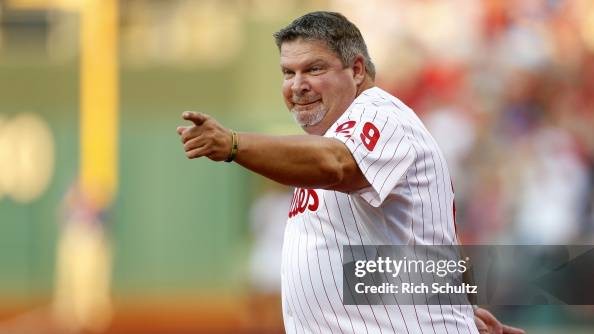
John Kruk (born 1961) played first base and the outfield for the Philadelphia Phillies from 1989 to 1994. A three-time All-Star with the team, he was a central figure on the 1993 National League championship club and is currently a Phillies television broadcaster.
John Kruk’s path to becoming one of the most beloved figures in Phillies history started far from Philadelphia. Born on February 9, 1961, in West Virginia, Kruk was never the prototype of a star athlete. He attended Allegheny Community College and caught the attention of scouts with his bat rather than his physique or speed. The San Diego Padres selected him in the third round of the 1981 MLB Draft, and he worked his way through the minors as a hard-nosed hitter who simply refused to give away at-bats. Kruk made his major league debut with the Padres in 1986 and quickly developed a reputation as a tough, contact-oriented hitter who was able to get on base and irritate opposing pitchers. He became a regular in San Diego’s lineup, often playing first base or the outfield, and established himself as one of the more reliable bats in the National League.
The trade that changed his career came during the 1989 season when the Padres sent Kruk to the Philadelphia Phillies along with Randy Ready in exchange for Chris James. At the time, it did not look like a franchise-altering move, but Kruk quickly became a cornerstone of a team that was trying to rebuild its identity. His gritty playing style and down-to-earth personality fit perfectly with the city’s blue-collar fan base.
Phillies Career and the 1993 Pennant
Kruk’s years in Philadelphia from 1989 through 1994 were the defining stretch of his playing career. He became a three-time All-Star while with the Phillies and hit over .300 four times with the Phillies. His best year came in 1993 when he batted .316 and served as the emotional heartbeat of a club that embraced the “Macho Row” identity. That Phillies team was known for its colorful personalities, and Kruk stood out even among a roster filled with characters.
Fans connected with Kruk because he never pretended to be something he was not. He famously joked that he was “not an athlete, just a baseball player,” a line that summed up both his sense of humor and his relentless competitiveness. Teammates often told stories about his ability to lighten the mood in the clubhouse, whether through practical jokes or self-deprecating humor. One of the most famous moments of his career came during the 1993 All-Star Game when Randy Johnson’s fastball sailed over his head. Kruk dramatically reacted by turning his helmet around and pretending to bat right-handed on the next pitch, a moment that showcased his comedic timing and helped cement his reputation as one of the game’s great personalities.
During the 1993 postseason run, Kruk’s leadership and timely hitting were vital as the Phillies captured the National League pennant. Although they fell short in the World Series against Toronto, that team remains one of the most beloved in franchise history, and Kruk was right in the center of it all. His ability to grind out at-bats and set the tone at the top of the lineup made him a constant presence in the offense.
After leaving the Phillies, Kruk spent time with the Chicago White Sox in 1995. By that point, injuries and the grind of the game had taken a toll on his body, and he was ready to move on from playing. In one of the more unusual moments in baseball history, Kruk essentially retired in the middle of a game. After getting a hit, he walked off the field and never played another major league inning. The quiet and understated nature of his departure was fitting for a player who never sought the spotlight but left a lasting impression wherever he played.
Life After Baseball and Broadcasting Career
Kruk’s personality and sense of humor translated naturally into broadcasting. He joined ESPN and quickly became a fan favorite on Baseball Tonight and Sunday Night Baseball. His honest analysis and willingness to poke fun at himself and the game made him stand out in an industry often filled with scripted commentary. He did not shy away from telling stories from his playing days or offering blunt opinions on players and strategies. Viewers appreciated his authenticity, and he became one of the more recognizable voices in baseball media during his time with the network.
Eventually, Kruk returned to Philadelphia in a new role as a television analyst for Phillies broadcasts. His chemistry with the broadcast team and his ability to explain the game in simple, relatable terms helped make him a natural fit. Fans who remembered him as a player embraced his return, and newer generations came to appreciate his humor and storytelling. Whether breaking down a hitter’s approach or sharing a story from the clubhouse, Kruk has continued to be a bridge between the Phillies’ past and present.
From his unlikely rise in West Virginia to his status as a fan favorite in Philadelphia and a respected voice in broadcasting, John Kruk’s career has been defined by authenticity. He never looked or acted like a typical star, yet he carved out a memorable place in baseball history through determination, humor, and an unmistakable connection with fans.
ICYMI
From Philly Baseball News and PBN Extra Innings
PBN: ABL Scouting Report: Giussepe Velasquez
PBN Extra Innings: Why I Love Baseball, But Not Bingo (Substack; subscription required)
Around the Internet
Phillies.com – When Will Trea Turner Become the Active Stolen Base Leader?
Philadelphia Baseball Events for February 9
February 9, 1943: The National League formally took control of the Philadelphia Phillies from owner Gerry Nugent after he fell behind on rent and loan obligations. The league assumed operational control to stabilize the franchise during World War II, marking one of the most significant ownership changes in Phillies history.
February 9, 1994: Left-hander Terry Mulholland is traded to the New York Yankees in a multi-player deal. Mulholland had been an important part of the Phillies’ pitching staff in the early 1990s, including the 1993 pennant-winning season, and the move signaled a reshaping of the roster following that World Series run.
Around Baseball
February 9, 2000: The Reds send four players – pitcher Brett Tomko, outfielder Mike Cameron and two minor leaguers to the Mariners and agree to a contract extension to obtain Seattle’s superstar Ken Griffey Jr. Junior’s nine-year $116.5 million contract is the richest package in history.
Philadelphia Baseball Birthdays for February 9
Sumner Bowman (born 1892) was a right-handed pitcher for the Philadelphia Athletics during the Deadball Era. He appeared with the Phillies for one game in 1890, allowed seven runs in eight innings and was immediately released.
Moon Mullen (born 1896) also known as Ford Mullen, was an infielder who played for the Philadelphia Phillies in 1944 as a World War II replacement player. Played in 118 games and hit .267/.314/.304/.618 and did not return to the majors after that season.
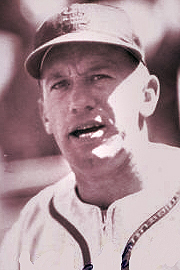
Freddy Schmidt (born 1916) was a right-handed pitcher who appeared with the Philadelphia Phillies in 1947. Made five starts and 24 relief appearances with Philadelphia with a 4.70 ERA. Started his career with the Cardinals and was a member of the 1944 and 1946 World Series championship teams.
Jim Nash (born 1945) was a right-handed pitcher who spent his final major-league season with the Philadelphia Phillies in 1972. In nine games – eight starts – he posted a 6.70 ERA.
Todd Pratt (born 1967) was a catcher who started his career in Philadelphia, playing from 1992-1994 with the Phillies. He then returned to play as a Phillie from 2001 through 2005. Best known as a veteran backup, he later remained connected to the organization through coaching and instructional roles.
MLB Birthdays for February 9
Vladimir Guerrero (born 1975) – A baseball Hall of Famer who played 16 seasons, primarily with Montreal and the Anaheim/Los Angeles Angels. Best known for being able to hit pitches that were well out of the strike zone and hit them with authority. Also known for his strong right field arm as a defender. Was a nine time all-star, an eight time Silver Slugger, and was the National League MVP in 2004 when he hit 39 home runs and had 126 RBI to go with a .337/.391/.598/.989 slash line. He also led the league in runs scored (124) and total bases (366) that season.
GO DEEPER INTO THE PHILLIES! PLEASE SUPPORT PHILLY BASEBALL NEWS WITH A FREE 7-DAY TRIAL TO OUR SUBSTACK: PBN EXTRA INNINGS.
Please scroll down to comment on this story or to give it a rating. We appreciate your feedback!

Disclaimer: Some of the products featured or linked on this website may generate income for Philly Baseball News through affiliate commissions, sponsorships, or direct sales. We only promote items we believe in, but please assume that PBN may earn a cut from qualifying purchases that you make using a link on this site.
Privacy Policy | Contact us
© 2025 LV Sports Media. All rights reserved.

 phillybaseball.news