
Phillies events that occurred on October 20:
- October 20, 1914 — The Phillies made an unusual managerial change when Red Dooin was replaced by Pat Moran as manager; Moran then invited Dooin to remain with the club as a catcher, an odd arrangement by modern standards.
- October 20, 1926 — Art Fletcher was dismissed as the Phillies’ manager after seasons of poor club performance; this marked another managerial shake-up for the franchise in the 1920s.
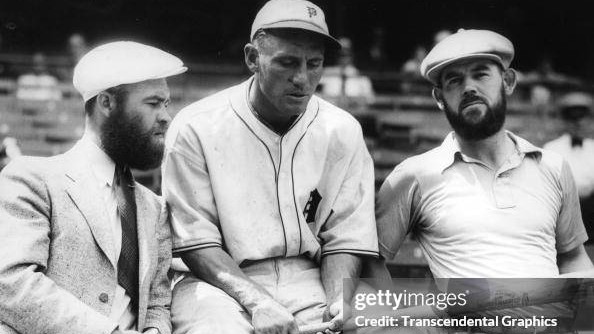
- October 20, 1932 — Chuck Klein, the Phillies offensive star of the early 1930s, was awarded the National League Most Valuable Player award. Klein was the franchise’s first true MVP-era standout.
- October 20, 1993 — World Series Game 4 at Veterans Stadium: the Phillies lost to the Toronto Blue Jays 15–14 in the highest-scoring World Series game in modern Fall Classic play. It was a wild, multi-lead game remembered for its offense and late bullpen decisions.
Phillies players, managers, executives, and broadcasters born on October 20:
- Tyler Goeddel (1992) — Outfielder who made his MLB debut with the Phillies in 2016 and was a 2016 rookie outfielder for Philadelphia; Goeddel’s big-league time included spot starts and role-playing outfield depth.
- Michael Mariot (1988) — Right-handed pitcher who spent time in the Phillies organization among several major-league clubs; Mariot’s career has been that of a long-relief/spot-starter journeyman, pitching in both MLB and overseas stints.
- Rudy Seánez (1968) — Veteran reliever who appeared for many big-league teams over a long career that included a period with the Phillies; Seánez was known as a durable bullpen arm and a veteran presence in relief corps.
A DEEPER DIVE… The career of Chuck Klein
Chuck Klein’s rise to stardom was anything but conventional. Born in Indianapolis in 1904, he worked in a steel mill before his baseball talents were discovered when he was in his early twenties. Signed by the Phillies in 1928, Klein quickly became a cornerstone of the lineup. By 1929, he was already leading the National League in home runs, launching 43 that season. His left-handed swing was tailor-made for the Baker Bowl, the Phillies’ home park at the time, which featured a short right-field porch that amplified his power numbers.
Klein’s peak years from 1929 to 1933 were among the most dominant offensive stretches in baseball history. He led the league in home runs four times, RBI twice, and even stolen bases once. In 1932, he won the National League Most Valuable Player award, and in 1933, captured the Triple Crown by leading the league in batting average, home runs, and RBI. That same year, he also won the batting title and was selected to the inaugural All-Star Game. His 1930 season was particularly historic, as he recorded 250 hits, 170 RBI, and 107 extra-base hits—still a National League record.
Despite his individual brilliance, the Phillies of the 1930s were often mired in mediocrity. Klein’s presence, however, gave fans a reason to come to the ballpark. He was a fan favorite, known for his hustle, strong throwing arm, and ability to deliver in clutch moments. In 1934, the Phillies traded Klein to the Chicago Cubs, a move that was widely criticized and seen as a financial decision rather than a baseball one. He returned to Philadelphia in 1936 and continued to contribute, including a memorable game on July 10, 1936, when he hit four home runs in a single contest.
Klein’s later years saw a decline in production, but he remained with the Phillies through 1944, serving as a veteran presence and occasional pinch-hitter. His career totals include a .320 batting average, 300 home runs, and over 2,000 hits. He was posthumously inducted into the Baseball Hall of Fame in 1980 by the Veterans Committee, and the Phillies honored him by retiring his number and placing him on their Wall of Fame.
Chuck Klein’s impact on the Phillies goes beyond statistics. He was the franchise’s first true superstar, a player whose offensive feats helped elevate the team’s profile during a difficult era. His legacy endures in Philadelphia as a symbol of excellence and perseverance, and his name remains synonymous with the golden age of Phillies hitting. Klein’s career serves as a reminder of how one player can shape a team’s identity and inspire generations of fans.

 Philly Baseball News